
Mental health challenges can be difficult to recognize, talk about, and seek help for, especially among young people. University students, in particular, may be navigating academic pressure, relationships, financial concerns, uncertainty about the future, and personal struggles, often while trying to appear as though everything is fine.
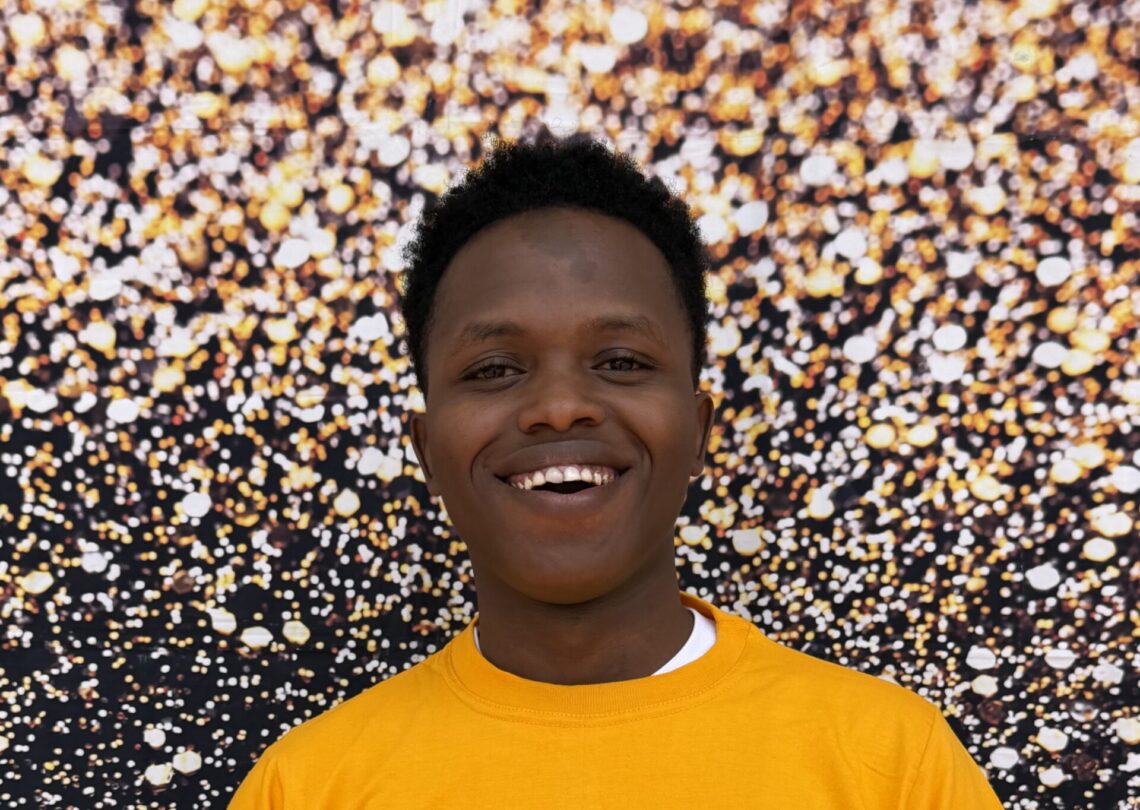
For Samwel Njenga, a fourth-year Moja Tu student at the University of Nairobi pursuing a degree in Analytical Chemistry, mental health advocacy is personal. His own experience with ADHD helped him understand the importance of being heard and supported, and it eventually led him to start creating that same space for others.
Learning to Speak About What We Carry
 Samwel did not set out to become a mental health advocate. His journey began with his own experience of being diagnosed with ADHD and learning what it meant to have people around him who understood what he was going through.
“Having people check in on me and take my struggles seriously made a difference. Support from a therapist and psychiatrist also helped me navigate my experience and become more comfortable talking about my mental health,” Samwel shares.
But as he became more open about his experiences, Samwel began noticing how difficult it was for many young people to do the same. Some struggles were associated with negative stereotypes, including assumptions about drug abuse. Others stayed silent because they feared no one would listen or they would be judged.
That raised a question for him: “Why not me?”
Speaking openly was not easy for someone who describes himself as naturally private. It took time, support, and encouragement for him to feel comfortable sharing his experiences. But that process taught him something important: sometimes, having someone listen without judgment can be the first step towards seeking help.
Creating Space for Others
Today, Samwel is using what he has learned to encourage other young people to talk about what they are going through. He has visited students at their institutions and in their homes, taking time to build relationships and create an environment where they feel comfortable opening up.
He has also written a book, The Weight We Carry, for people experiencing similar struggles. Through the book, he hopes readers will recognize they are not alone and that people are willing to listen and help carry some of the weight.
One experience has stayed with him in particular. Samwel remembers a student whose depression had affected different parts of her life. She had lost weight, her academic performance had declined, and she had withdrawn from others. Seeing her gradually improve encouraged him to continue reaching out to more young people.
For Samwel, mental health support doesn’t always start with the perfect words. Sometimes it starts with a simple check-in, spending time with someone, inviting them to participate in an activity, or giving them a reason to smile.
He encourages students who are struggling but afraid to seek help to be honest about what they are experiencing. “Say it and be judged and get help or stay with your problem and end up losing more than just a few judgy friends, yourself, which is worse,” he says.
His message also extends to friends and classmates. Noticing changes in someone’s behavior, checking in, offering company, and helping them stay connected can be meaningful forms of support.
Making It Easier to Ask for Help
As the world marks World Mental Health Day, Samwel hopes more young people will feel comfortable recognizing when they are struggling and reaching out for support. His experience has shown him that speaking up takes courage, especially when fear of judgment is involved. But it has also shown him the difference that understanding and support can make.
For Samwel, mental health deserves attention before a person reaches a crisis point. He hopes young people will learn to look after their mental wellbeing, look out for one another, and seek professional help when they need it.
His journey began with understanding his own experience. Today, he is using that experience to help others feel seen, heard, and less alone.